
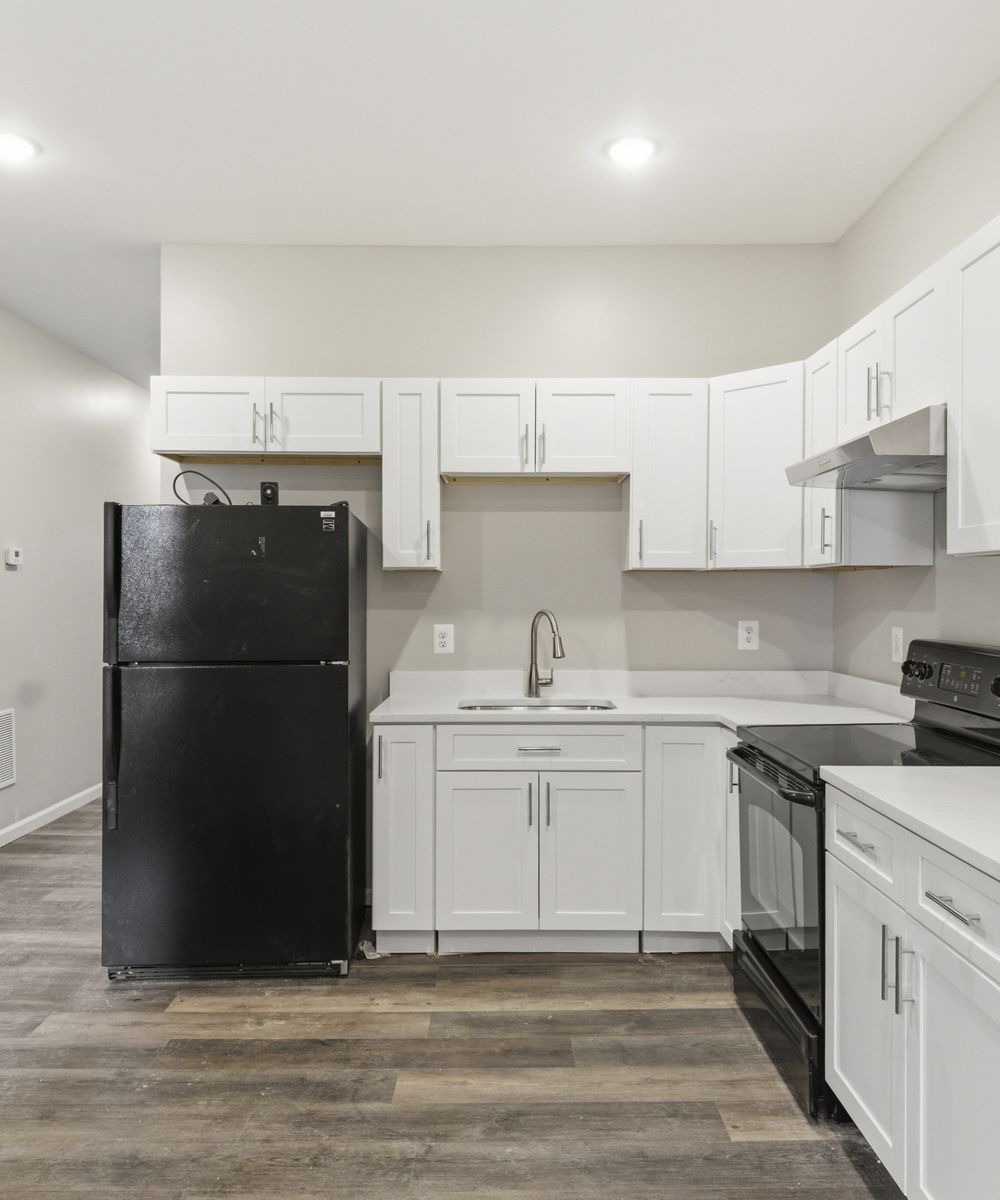
To rent out a house in Maryland, you need to get the local rental license (if your county or city requires one), register the house with the state and pass a lead inspection if it was built before 1978, price it from homes that actually leased nearby, screen every applicant against the same written criteria, sign a lease that follows Maryland law and collect no more than one month’s rent as a deposit. Then tell your lender and your insurance company, and plan for the taxes.
That’s a lot for someone who just moved for a job and didn’t want to sell. It’s also the exact list we work through for owners at SW Property Management. Here it is in order, with the rules as of October 2026.
Rent or sell? A quick decision frame
Before any of the paperwork, run the numbers both ways. Renting tends to make sense when:
- The rent covers your mortgage, taxes, insurance and HOA dues with room left for repairs and vacancy.
- You’d take a loss, or close to it, selling today after commissions and closing costs.
- You expect to move back, or you want the house as a long-term hold.
- The house is in shape to rent without a big make-ready bill.
Selling tends to make sense when the rent barely covers the payment, the house needs serious work, or you don’t want to be anyone’s landlord. If you’re weighing it, we’ll do a free rent analysis from leased comps, show our fees and your projected net, and estimate any make-ready work. If selling is the better answer, our team can price the sale too.
License or registration in your county
Most of Central Maryland requires a local rental license before a tenant moves in. A quick snapshot as of October 2026:
| Where the house is | Single-family rental license? |
|---|---|
| Baltimore City | Yes, plus yearly property registration |
| Baltimore County | Yes, register and license before a tenant moves in |
| Howard County | Yes, two-year license |
| Montgomery County | Yes, renewed every year (some cities license their own) |
| Prince George’s County | Yes, two-year license (many cities license their own) |
| Anne Arundel County | County licenses multi-unit buildings, not single-family homes; Annapolis licenses its own |
The full table, with fees and links, is in Maryland rental license rules by county. Baltimore City has its own walkthrough: Baltimore City rental license, step by step.
The license matters for more than a fine. In a county that requires one, Maryland Real Property § 8-406 makes a landlord prove the property is licensed (or exempt) before the court will hear an eviction case.
Lead paint for older homes
If the house was built before 1978, Maryland’s lead law applies no matter how much it has been renovated. According to the Maryland Department of the Environment, you must:
- Register the house with MDE and renew every year by December 31 ($30 per unit as of October 2026).
- Have an MDE-accredited inspector certify the home meets the Full Risk Reduction Standard before every change in tenancy.
- Give the tenant the “Notice of Tenant Rights” and the “Protect Your Family From Lead in Your Home” brochures and a copy of the current lead certificate at the start of the tenancy, and every two years after.
A home certified lead-free is exempt from the yearly registration and turnover inspections. Details are in our post on Maryland lead paint rules for landlords.
Setting the rent from leased comps
Price from homes that leased, not homes that are listed. Asking rents on rental sites include the houses that sat for two months because they were priced too high. Match on bedrooms, bathrooms, square footage, parking, condition and which utilities are included, and look at how long each comp took to lease.
Do the math before you aim high: one empty month costs a twelfth of the year’s rent, which is more than a 5% higher asking rent would bring in over the whole year. Our rent analysis is built on closed leases in your area.
Insurance: a landlord policy
A homeowners policy is written for a home you live in. Before the tenant moves in, call your agent and tell them the house is becoming a rental. Ask three things: does the new policy cover the structure, does it pay lost rent if a covered claim makes the house unlivable, and how much liability coverage does it carry. Your tenant’s belongings aren’t covered by your policy, so it’s common to require renters insurance in the lease.
Screening within fair housing law
Write your criteria down before you advertise (minimum income, credit, rental history, eviction history) and apply them the same way to every adult applicant. Maryland law protects more groups than federal law, including source of income. Under State Government § 20-705, you can’t refuse to rent, set different terms or advertise a preference based on race, color, religion, sex, disability, marital status, familial status, sexual orientation, gender identity, national origin, source of income or military status. Source of income includes housing vouchers. Never write “no vouchers” or “no Section 8” in a listing.
Two newer rules worth knowing:
- Application fees. Under Real Property § 8-213, landlords offering five or more units must refund any part of a fee over $25 that wasn’t spent on screening, within 15 days. Landlords with four or fewer units at one location are exempt from that section, but charging only what screening actually costs is still the clean way to do it.
- Criminal history. The Maryland Fair Chance Housing Act (SB 937, Chapter 752 of 2026) took effect October 1, 2026. It applies to landlords who own or manage five or more units in Maryland and limits when and how criminal history can be considered.
More detail is in tenant screening rules in Maryland.
The lease and the one-month deposit cap
Use a written lease, even if you’re renting to someone you know. Maryland Real Property § 8-208 requires the lease to state who handles heat, gas, electricity, water and repairs, to include the deposit receipt, and to come with a copy of the current Maryland Tenants’ Bill of Rights. Late fees can’t exceed 5% of the rent due. You also can’t require more than the security deposit plus the first month’s rent to start the lease.
On deposits, Real Property § 8-203 limits the deposit to one month’s rent for deposits paid on or after October 1, 2024, as the Maryland Attorney General summarizes it. The statute also requires you to:
- Hold the deposit in an account at a federally insured institution with a Maryland branch, used only for security deposits, within 30 days of receiving it.
- Pay interest on deposits of $50 or more held at least six months.
- Return the deposit, minus itemized damages, within 45 days after the tenancy ends.
Get it wrong and the tenant can recover up to three times the amount withheld plus attorney’s fees. The full rundown is in Maryland security deposits: deductions, interest, deadlines.
Mortgage and HOA rules
Pull out your deed of trust and read the occupancy section. Mortgages are priced and approved by how the home will be used; Fannie Mae’s Selling Guide sorts loans into principal residence, second home and investment property. If you got your loan as an owner-occupant, call your servicer and ask what your loan allows before you sign a lease.
If you’re in an HOA or condo, read the covenants and rules. Some limit or prohibit rentals, set minimum lease terms or require registering tenants with the association. In Prince George’s County, for example, the county’s single-family rental license application requires a letter from the HOA or condo association showing no liens or bylaw violations.
Taxes on rental income
The IRS treats rent as income in the year you receive it. Publication 527 (for 2025 returns, as of October 2026) says rental income and expenses go on Schedule E, residential rental buildings are depreciated over 27.5 years, and advance rent is income when you get it. A security deposit you plan to return isn’t income; any part you keep is income in the year you keep it.
Selling a former home after renting it can change your capital gains picture. That’s covered in our guide to taxes when selling a house in Maryland. Talk to a tax professional before your first return as a landlord.
Self-manage or hire
Self-managing works if you live close, have time during the workday and know a reliable handyman. It gets hard when you’re far away, when repairs pile up or when a tenant stops paying and you need to file in District Court with the right notice and the right license number.
SW Property Management charges 10% of the rent collected, and one month’s rent for tenant placement, which covers photos, the MLS listing, showings, screening and the leasing commission. Renewals and the limit for repair approvals are set in your management agreement. For how that compares with other managers, see how much property managers charge in Maryland.
This is general information, not legal or tax advice. For a specific situation, talk to a Maryland attorney or tax professional.
Bottom line
Check the local license first, then lead, then price. Write down your screening criteria and use them for everyone. Cap the deposit at one month and track the 45-day return date. Tell your lender and your insurer before the tenant moves in. If you’d like a second set of eyes on the numbers, request a free rent analysis, and keep our Maryland landlord-tenant rules guide handy.
Sources
All checked October 26, 2026.
- Maryland Code, Real Property § 8-203, § 8-208, § 8-213, § 8-406
- Maryland Code, State Government § 20-705
- Maryland General Assembly, SB 937 (2026), Maryland Fair Chance Housing Act
- Maryland Attorney General, Landlord/Tenant Disputes
- Maryland Department of the Environment, Rental Property Owner FAQ
- Prince George’s County, Single-Family Rental Licensing
- IRS, Publication 527, Residential Rental Property
- Fannie Mae Selling Guide, B2-1.1-01 Occupancy Types